Flooring · 12 June 2026
SPC vs Vinyl Flooring: Complete Comparison
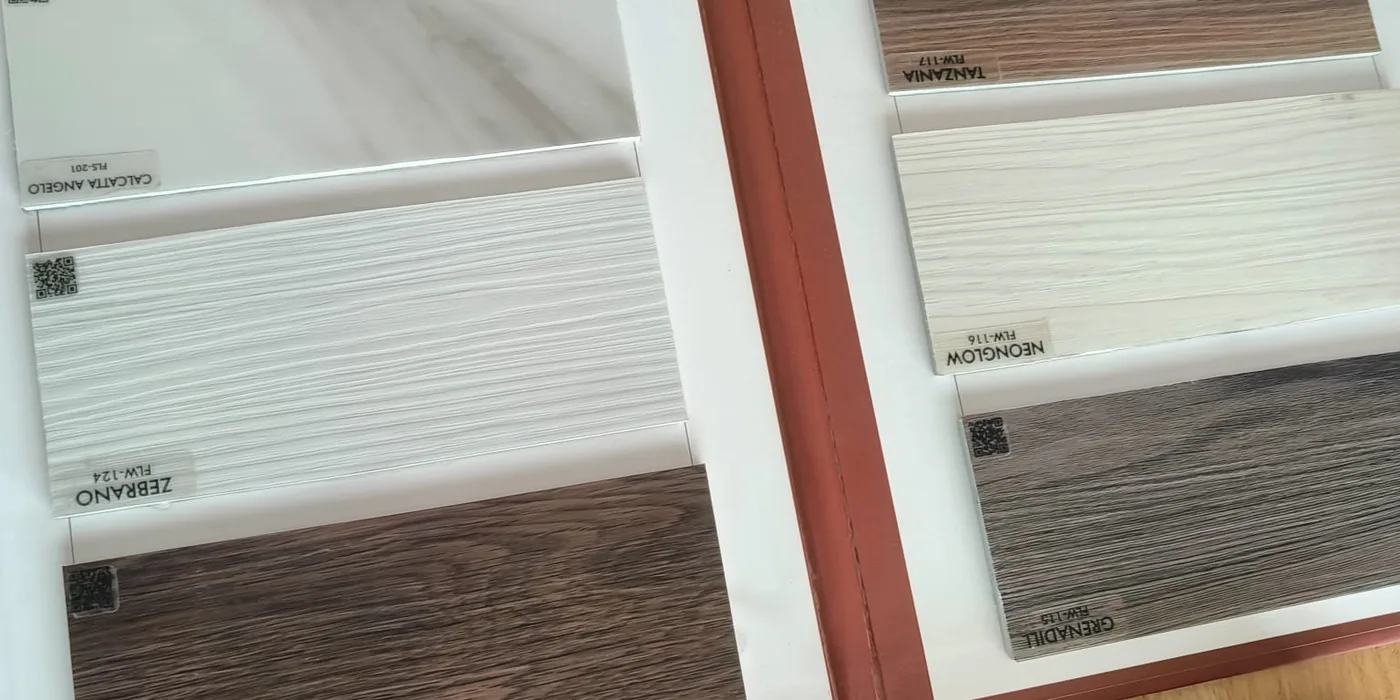
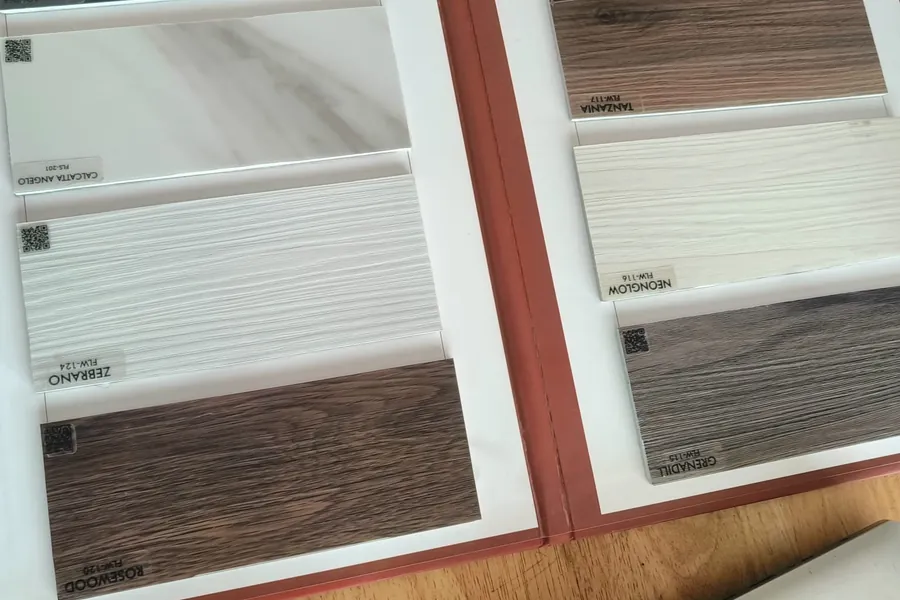
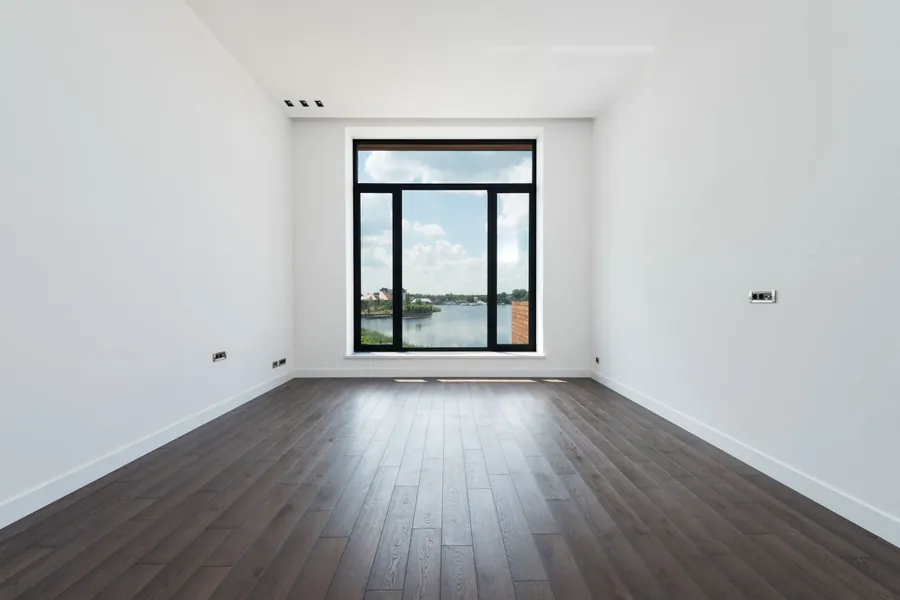
"Waterproof wooden flooring" usually means one of two things: SPC (Stone Polymer Composite) planks or vinyl (LVT/sheet) flooring. They're related materials at very different price and performance points, and picking the wrong one either wastes money or wears out early. Here's the honest breakdown we give customers at site visits.
What they actually are
SPC planks have a rigid core of stone dust and polymer — stiff, dense, and dimensionally stable — with a printed wood layer and a wear layer on top, clicking together like laminate. Vinyl flooring is flexible PVC, available as seamless sheet rolls, glue-down planks, or tiles.
Durability: SPC takes the hits
SPC's rigid core resists dents from furniture legs and heels far better than flexible vinyl, and its click-lock floating installation handles minor subfloor imperfections. Expect 10–15 years from residential SPC versus 5–10 from good vinyl.
Comfort and sound: vinyl is softer
Flexible vinyl is gentler underfoot and quieter — one reason hospitals, clinics, and play schools specify it. SPC with attached underlay narrows the gap but remains firmer.
Water: both waterproof, one caveat
Both materials are 100% waterproof as products. The caveat for SPC is the joints: standing water can find its way to the subfloor through click joints, so genuinely wet areas favour seamless vinyl sheet with coved edges — the clinic standard.
Cost and the right choice per project
- Long-term family home: SPC — the durability premium pays off
- Rental / budget makeover: vinyl planks — great looks, lowest cost
- Clinic, hospital, gym: vinyl sheet — seamless and hygienic
- Office cabins: SPC for main areas, vinyl for utility zones
- Over existing tiles with no demolition: both work; SPC forgives more subfloor imperfection
We install both and carry samples of each — comparing them side by side on your own floor makes the decision obvious in minutes.